
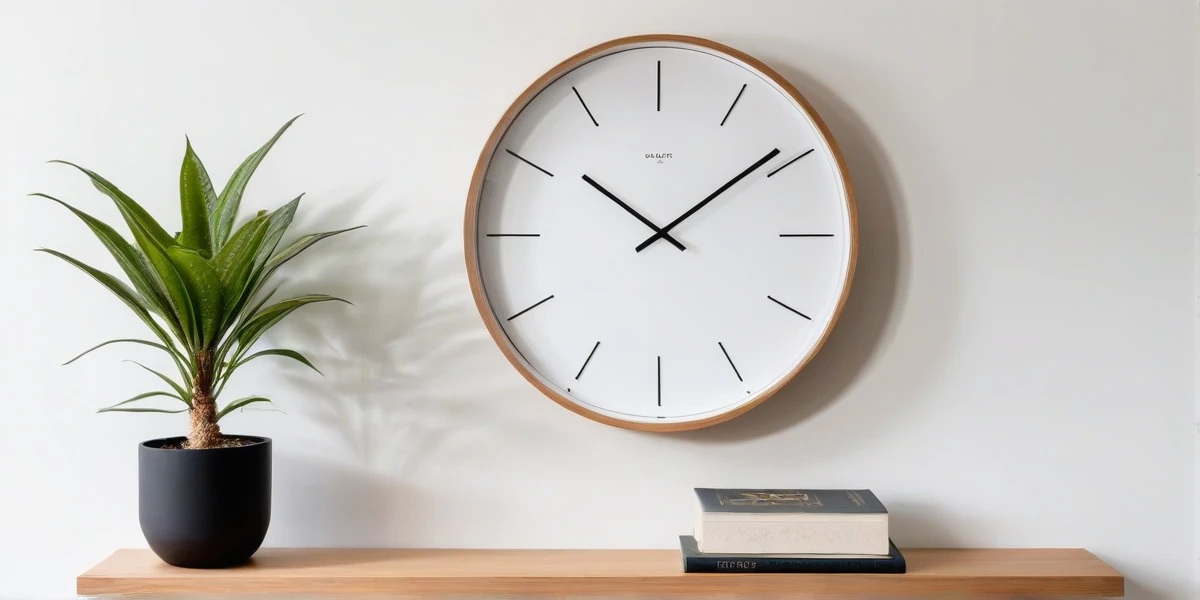
The Art of Wall Clocks: Functional Decor for Minimalist Walls
In an age where digital displays dominate our every waking moment, the wall clock stands as a quiet, analog rebel. It is a functional object, yes, but in the hands of a master designer, it becomes something more: a piece of kinetic art that breathes life into minimalist walls. At Modborn, we believe a wall clock should do more than tell time; it should tell a story, define a space, and reflect a design philosophy that values form and function in equal measure.
Why Minimalist Walls Need a Focal Point
The minimalist aesthetic is often misunderstood as a lack of decoration. In reality, it is a careful curation of space, where every element must earn its place. An empty wall in a minimalist room is not a blank canvas; it is a missed opportunity. The contemporary wall clocks in our collection serve as that essential focal point, grounding the room without overwhelming it. They are the punctuation mark to the sentence of your interior design.
When choosing a piece for a minimalist space, the material is paramount. A clock crafted from walnut veneer or powder-coated metal offers a tactile contrast to smooth walls and soft textiles. The play of light across these surfaces throughout the day adds a layer of dynamic complexity to the room, ensuring that the space feels alive and curated, not sterile.
The true beauty of a designer clock is its ability to be both a functional tool and a piece of sculpture that changes the character of the room.
George Nelson and the Art of the Kinetic Sculpture
To discuss the art of the wall clock is to inevitably speak of George Nelson. A visionary designer and architect, Nelson understood that timepieces could be playful, sculptural, and deeply personal. His designs, dating back to the mid-20th century, were a radical departure from the staid, traditional clocks of the era. He saw the clock as an opportunity to bring art into the everyday.
Nelson's clocks are characterized by their bold use of color, geometric abstraction, and what he called 'kinetic sculpture'—the idea that the moving parts of a clock could create a visual spectacle. The hands of a Nelson clock don't just move; they dance. The vibrant, often primary-colored spheres of the Ball Clock, for example, are not merely markers of time but a joyful composition of shapes in motion. Similarly, the dramatic, spiked hands of the Sunburst Clock create a sense of radiating energy, turning the simple act of telling time into a visual experience.
In the context of a modern European home, a George Nelson-style clock introduces a touch of mid-century charm that is both retro and refreshingly contemporary. It serves as a conversation starter, a piece of art that is inherently accessible and functional. It embodies the belief that good design should be democratic, bringing joy and beauty into the home without pretension.
Modern Interpretations: The Wall Clock as Sculpture
The legacy of George Nelson paved the way for a new generation of designers who see the wall clock not as a utilitarian object but as a sculptural canvas. Modern interpretations push the boundaries of material and form. At Modborn, we curate pieces that reflect this ethos, such as the Wall Clocks collection, where you'll find designs that prioritize architectural integrity and visual impact.
One of the most compelling aspects of contemporary wall clocks is their use of negative space and contrasting materials. A clock with a stark, minimalist face and intricate, metallic hands creates a tension between the solid and the delicate. Others are constructed almost entirely from geometric shapes, weaving together wood, metal, and glass to create a three-dimensional object that changes appearance as you move around the room. This is functional decor at its finest; it serves its primary purpose while simultaneously enhancing the aesthetic of the space.

George Nelson-Style Eye Wall Clock
George Nelson-style Eye wall clock. Iconic mid-century design, battery-operated quartz movement, premium quality, fast EU delivery from…
€244.77 €281.67

George Nelson-Style Ball Wall Clock – Multi Colour
George Nelson-style Ball wall clock in multi colour. Iconic mid-century design, unique wooden ball accents, premium quality, fast EU…
€170.97 €195.57

George Nelson-Style Sunburst Wall Clock – Multi Colour
George Nelson-style Sunburst wall clock in multi colour. Iconic mid-century design, vibrant colours, premium quality, fast EU delivery from…
€207.87 €232.47
Choosing the Right Clock for Your Space
Selecting the perfect contemporary wall clock is about more than just finding a timepiece you like; it's about finding a piece that harmonizes with your existing decor. Here are some considerations to guide your choice:
- Scale and Proportion: A clock should be in proportion to the wall it hangs on. A small clock on a large wall can look lost, while a large clock in a small space can feel overwhelming. As a rule of thumb, the clock's diameter should be about one-third to one-quarter the width of the wall.
- Color Palette: Consider your room's color scheme. Is it monochromatic, or does it have vibrant accent colors? A clock can serve as a subtle complement or a bold contrast. The George Nelson Style Sunburst Wall Clock is a perfect choice for a room that needs a playful pop of color.
- Material and Finish: The material of the clock should echo other elements in the room. If you have a lot of wooden furniture, a wooden clock creates a sense of cohesion. If your space features metallic accents (like brass or chrome), a clock with those finishes will tie the room together.
- Style and Personality: Is your space strictly modern, or does it have a mid-century influence? A clock should reflect the room's overall personality. For a more minimalist space, a clean, typographic clock might be ideal. For a room with character, a sculptural piece like the George Nelson Style Eye Wall Clock adds a touch of playful sophistication.
Styling Your Wall Clock
Placing a wall clock is an art in itself. While the obvious place might be the center of a large wall, consider the unexpected. A clock can be a beautiful addition above a sideboard, in a hallway, or even as part of a gallery wall.
For minimalist interiors, consider placing the clock off-center to create visual interest and balance against other furniture pieces. If you have a large, sprawling sofa, centering a clock above it anchors the seating area, providing a logical focal point. In a home office, a wall clock serves as a necessary functional tool and a design statement that can elevate the entire workspace.
The lighting in your room will also affect how the clock is perceived. Clocks with metallic finishes or mirrors will catch and reflect light, adding a layer of shimmer to your space. Consider the light sources in your room and how they will interact with the clock throughout the day.
Caring for Your Designer Clock
A well-crafted clock is an investment that should last a lifetime. To ensure it retains its beauty, follow a simple maintenance routine. For metal clocks, a soft, dry cloth is usually sufficient to remove dust. Avoid using water or abrasive cleaners, which can damage the finish. For wooden clocks, a gentle, dry dusting is recommended, occasionally using a slightly damp cloth to remove dirt, followed by a thorough drying. Keep the clock away from direct sunlight to prevent fading of paints or woods.
Bringing It All Together
In the heart of a modern European home, a wall clock is more than a tool; it is a reflection of a lifestyle that values craftsmanship, design, and the quiet joy of living with beautiful objects. It is the element that brings a room to life, offering a moment of pause in a busy day. Whether you are drawn to the playful forms of a George Nelson-inspired piece or the sleek lines of a contemporary design, the wall clock is a testament to the idea that good design transcends function, becoming art.
At Modborn, we are proud to offer a selection of wall clocks that combine timeless style with modern sophistication. With our fast, customs-free delivery across the EU from our warehouses in Spain and Ireland, bringing this piece of functional art into your home is easier than ever. Explore our Wall Clocks collection and find the perfect timepiece to bring your walls to life.
Shop the Iconic Pieces Featured in This Guide
George Nelson-Style Eye Wall Clock
George Nelson-style Eye wall clock. Iconic mid-century design, battery-operated quartz movement, premium quality, fast EU delivery from…
€244.77 €281.67
George Nelson-Style Ball Wall Clock – Multi Colour
George Nelson-style Ball wall clock in multi colour. Iconic mid-century design, unique wooden ball accents, premium quality, fast EU…
€170.97 €195.57
George Nelson-Style Sunburst Wall Clock – Multi Colour
George Nelson-style Sunburst wall clock in multi colour. Iconic mid-century design, vibrant colours, premium quality, fast EU delivery from…
€207.87 €232.47

Leave your comment
Note: HTML is not translated!