
The Psychology of Mixing Metals in Your Living Room
When it comes to interior design, one of the most common questions is how to mix metals without creating a visual clash. It's a delicate balance—get it right, and your living room feels curated, collected, and effortlessly stylish. Get it wrong, and it can feel chaotic or accidental.
The secret is understanding the psychology of metals. Each finish—from the cool sheen of stainless steel to the warm glow of brass and the industrial edge of copper—brings a distinct energy to a space. Your goal is to create harmony, not uniformity.
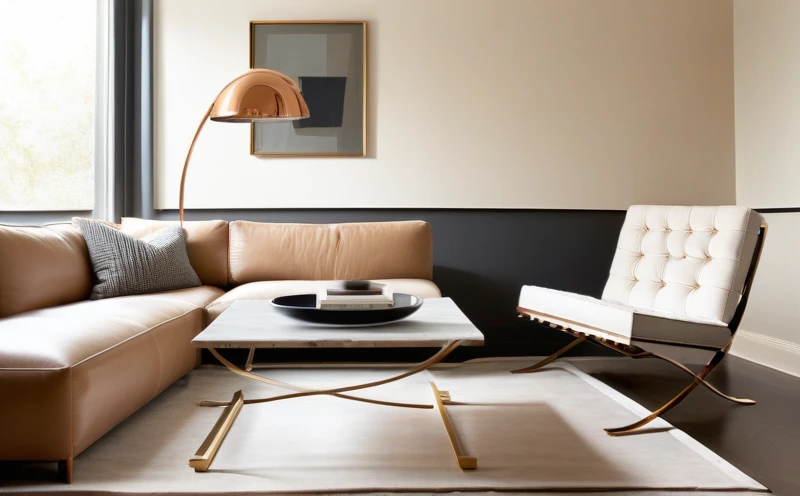
Let's start with one of our most iconic pieces: the Barcelona-style chair, with its polished stainless steel frame. This piece is inherently cool and contemporary, with a sleek, reflective finish that demands attention. Pairing it with warm metals like brass or copper is the perfect way to soften its modern edge.

Barcelona-Style Chair – Black Leather
Barcelona-style chair in black full-grain leather with hand-stitched cushions and mirror-polished stainless steel frame. EU delivery 3–7…
€576.87 €613.77

Barcelona-Style Ottoman – Black Leather
Barcelona-style ottoman in black leather. Premium quality, VAT included, fast EU delivery — affordable luxury footstool by Modborn.
€281.67 €306.27
The 80/20 Rule of Metal Mixing
A great starting point is the 80/20 rule: choose one dominant metal finish for the room's main elements (like a statement chair or a large lighting fixture), and use a second metal for accents. For instance, if your Barcelona-style chair is the hero of the room, consider using brass for your smaller accessories—think picture frames, side table legs, or a wall clock with a brass rim.
In our Dublin showroom, we frequently demonstrate this: a stainless steel frame sits beautifully with a brass accent lamp. The cool metal reflects light and creates a sense of space, while the brass adds a touch of warmth and history. This interplay of color temperature is key; the human eye is naturally drawn to contrast.
You can also use metals to define zones in an open-plan living area. Use copper or brass in the seating area for a cozy, inviting feel, and keep stainless steel or chrome in the dining area for a more crisp, clean aesthetic. This subtle shift guides the eye and defines different functional zones without the need for physical walls.
Temperature and Texture: The Psychology of Finish
The finish matters as much as the metal. A highly polished stainless steel is ultra-modern and can feel a bit cold on its own. A brushed or satin finish, on the other hand, is more forgiving and has a softer, more tactile feel. When mixing metals, try to vary the textures as well as the tones. Pair the high-polish of a modern chair with the matte, aged look of a vintage brass lamp. The contrast in texture adds depth and complexity.
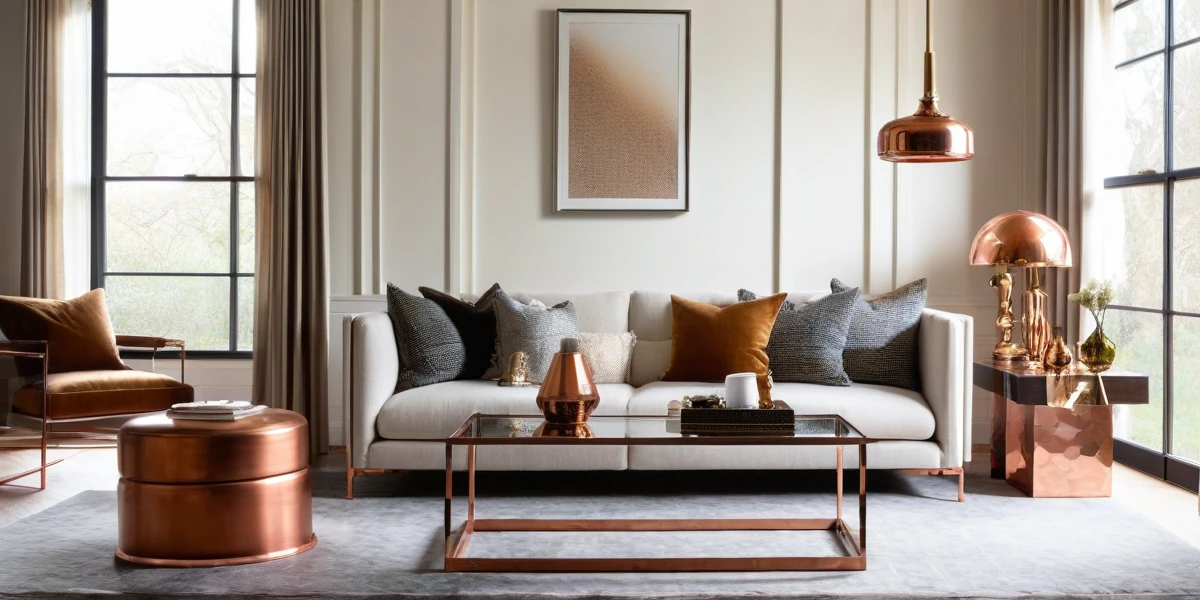
Copper, with its vibrant, rosy hue, brings a dose of energy and vitality. It's an excellent accent for neutral-toned living rooms, adding a pop of color that is both warm and luxurious. Copper pairs exceptionally well with both stainless steel and brass, creating a layered look that feels intentional. Consider a copper tray on a stainless steel coffee table, or a copper pendant light floating above a brass and wood sideboard.

Arco-Style Floor Lamp – White Marble Base
Arco-style floor lamp with white marble base and polished steel arch. Iconic modern design, premium quality, fast EU delivery, VAT included…
€835.17 €859.77

Noguchi-Style Coffee Table – ASH Wood Base
Noguchi-style coffee table with ash wood base and triangular glass top. Brilliant design, premium quality, fast EU delivery, VAT included…
€712.17 €736.77
For a truly harmonious space, incorporate materials that naturally bridge the gap between metals. Wood is the ultimate neutralizer. The natural grain of a Noguchi-style coffee table or the warm tones of an LCW-style walnut chair will effortlessly tie together stainless steel, brass, and copper. It grounds the room and prevents the metal mix from feeling too 'designed' or sterile.
Common Mistakes and How to Avoid Them
One of the biggest mistakes is including too many metals without a unifying theme. Stick to a maximum of three metals in a room. If you have stainless steel, brass, and copper, ensure that brass and copper are the accents, while steel is the primary structural metal. This prevents a 'shiny' or disjointed look.
Another pitfall is using metals that are too similar but not identical. For instance, mixing a cool silver with a warm silver can look accidental. If you're using multiple shades of silver, ensure one is clearly matte and the other is polished, or introduce a clear contrast with a different metal entirely.
Lighting is also crucial. The way a metal reflects light changes throughout the day. What looks harmonious in the morning sun might clash under evening lamps. Consider the color temperature of your bulbs: warm-toned bulbs (2700K-3000K) enhance the glow of brass and copper, while cool-toned bulbs (4000K+) will make stainless steel and chrome look crisp and brilliant.
A Practical Guide to Mixing Your Metals
Here is a simple method to approach metal mixing in your home:
- Step 1: Choose your dominant metal. This is the metal that will be most visible. It could be the frame of a main piece of furniture or the most prominent lighting fixture. For a modern look, start with stainless steel. For a more traditional feel, start with brass.
- Step 2: Select your accent metal. This should contrast in temperature and tone. For steel, choose brass or copper. For brass, choose matte black or stainless steel. For copper, choose brass or brushed nickel.
- Step 3: Add a neutral element. Introduce materials like wood, marble, or natural fibers. This adds texture and visual rest, giving the metals a context to shine.
- Step 4: Distribute the metals evenly. Don't cluster all your brass in one corner. Spread it out around the room so the eye travels smoothly from one piece to the next. A brass lamp on one side, a brass-framed mirror on the other—this creates balance.

Noguchi-Style Coffee Table – Black Wood Base
Noguchi-style coffee table with black wood base and triangular glass top. Brilliant design, premium quality, fast EU delivery, VAT included…
€712.17 €736.77

George Nelson-Style Ball Wall Clock – Multi Colour
George Nelson-style Ball wall clock in multi colour. Iconic mid-century design, unique wooden ball accents, premium quality, fast EU…
€170.97 €195.57
Specific Pairings to Try
If you are still unsure, here are two specific pairings that are almost universally appealing:
- Stainless Steel & Brass: This is a classic combination. The brass warms up the stainless steel, making the space feel more inviting. A lounge chair with a metal base paired with a brass lamp is a winning combination.
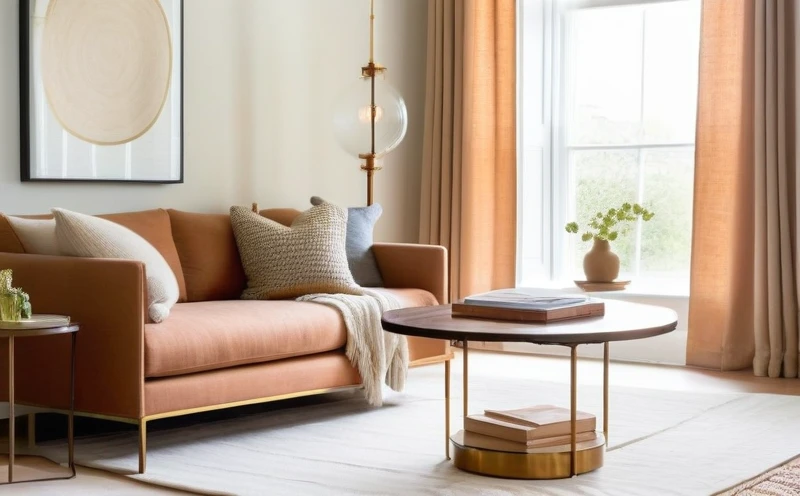
- Brass & Copper: This is a very warm, rich combination that works exceptionally well in spaces with a lot of natural light. Pair a copper pendant light with brass drawer pulls on a wooden sideboard for a look that feels collected over time.
The psychology of mixing metals ultimately comes down to confidence. The rules are there to guide you, but the best interiors are those that reflect the personality of the people living in them. Use the guidelines above, trust your eye, and don't be afraid to experiment. The result will be a living room that feels not just styled, but truly lived in.
For more insights on balancing design elements in your living space, read our guide on Mid-Century Modern Essentials.
Need help deciding which pieces work best together? Explore our collections of lighting and lamps and chairs to find your perfect match.
Shop the Iconic Pieces Featured in This Guide
Barcelona-Style Chair – Black Leather
Barcelona-style chair in black full-grain leather with hand-stitched cushions and mirror-polished stainless steel frame. EU delivery 3–7…
€576.87 €613.77
Barcelona-Style Ottoman – Black Leather
Barcelona-style ottoman in black leather. Premium quality, VAT included, fast EU delivery — affordable luxury footstool by Modborn.
€281.67 €306.27
Arco-Style Floor Lamp – White Marble Base
Arco-style floor lamp with white marble base and polished steel arch. Iconic modern design, premium quality, fast EU delivery, VAT included…
€835.17 €859.77
Noguchi-Style Coffee Table – Black Wood Base
Noguchi-style coffee table with black wood base and triangular glass top. Brilliant design, premium quality, fast EU delivery, VAT included…
€712.17 €736.77
Noguchi-Style Coffee Table – ASH Wood Base
Noguchi-style coffee table with ash wood base and triangular glass top. Brilliant design, premium quality, fast EU delivery, VAT included…
€712.17 €736.77
George Nelson-Style Ball Wall Clock – Multi Colour
George Nelson-style Ball wall clock in multi colour. Iconic mid-century design, unique wooden ball accents, premium quality, fast EU…
€170.97 €195.57

Leave your comment
Note: HTML is not translated!