
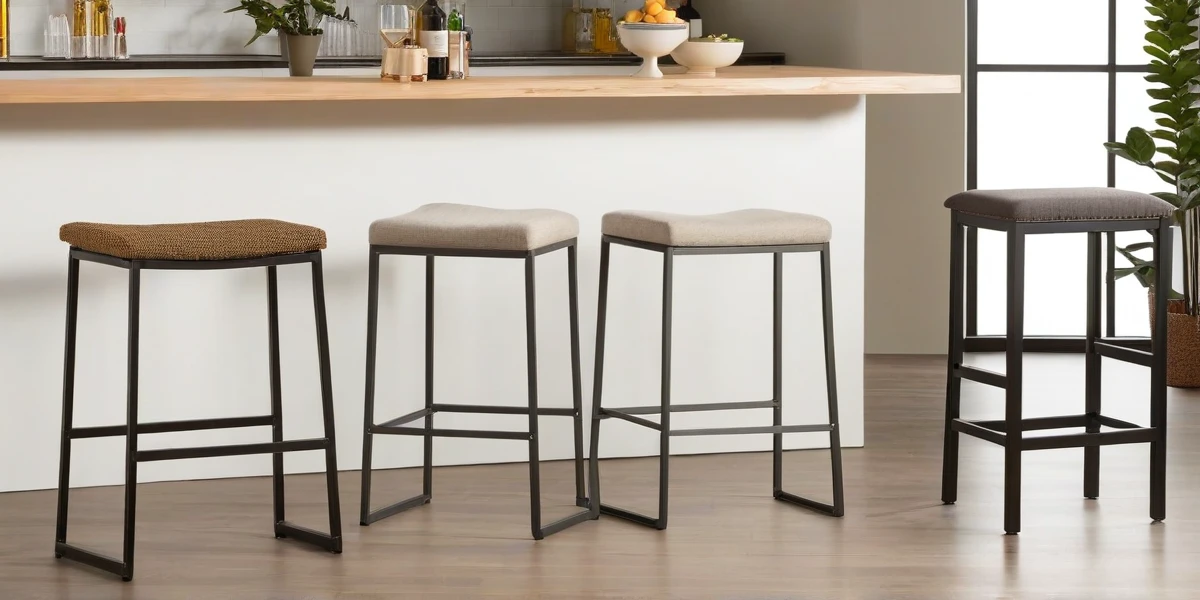
Choosing the Right Stool Height: Counter vs. Bar
You have found the perfect stool. The material is right, the colour is perfect, and the design fits your interior to a tee. But there is one crucial question that, if answered incorrectly, can turn a dream piece into a frustrating return: counter height or bar height? This is the number one reason for stool returns across Europe, and it is entirely avoidable.
Getting the height right is not just about fitting the stool under the table. It determines the entire ergonomic experience. A stool that is too low leaves you hunched over your meal, while one that is too high turns every meal into a balancing act. This guide will walk you through the exact measurements, in centimetres and inches, to ensure your new seating is a perfect match for your space.
The Standard Heights: A Simple Breakdown
Before we dive into the specifics, let's establish the two standard categories. The measurements are based on the standard heights of tables and counters in Europe.
- Counter Stools: Designed for kitchen islands and high tables, these stools typically have a seat height of around 60 to 66 cm (24 to 26 inches). They are meant for surfaces that are roughly 90 to 92 cm (36 inches) high.
- Bar Stools: These are the taller option, designed for traditional bar counters. The seat height is usually between 75 and 81 cm (30 to 32 inches), intended for surfaces around 104 to 110 cm (41 to 43 inches) high.
The Golden Rule: The 25-30 cm Gap
Ergonomics is the key to comfort. The goal is to sit comfortably without your knees hitting the underside of the table. The ideal gap between the top of the seat and the bottom of the table or counter is 25 to 30 cm (approximately 10 to 12 inches). This allows enough room for your legs to rest comfortably and for you to move freely.
For example, if your kitchen counter is 91 cm high, you would subtract 25-30 cm to get a stool height of 61-66 cm. This places you firmly in the counter stool category.
Measuring Your Space Like a Pro
Forget guessing. The most reliable way to avoid a return is to measure your own space. Follow this simple step-by-step process:
- Measure the Height of Your Table or Counter: Use a tape measure to find the distance from the floor to the top of the surface. Note this down in centimetres.
- Subtract 25 cm: Take your table height and subtract 25 cm (the minimum recommended gap).
- Subtract 30 cm: Now subtract 30 cm from the table height (the maximum recommended gap).
- Find Your Ideal Range: The two numbers you get form the ideal range for your stool's seat height. Any stool within this range will be comfortable.
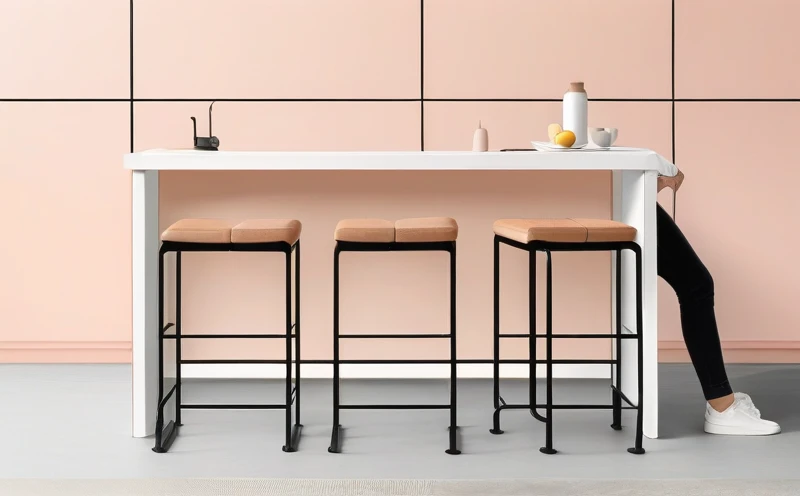
A Quick Visual Guide
Here is a quick reference to help you visualise the different heights and their applications.
Beyond the Numbers: Style and Comfort
While height is the most critical technical factor, it is not the only one. Once you have determined the correct height, you can consider other elements that influence comfort and style.
Footrests and Swivel Mechanisms
A footrest is a standard feature on taller stools, typically located about 20-30 cm from the floor. It provides crucial support for your feet, taking the pressure off your legs and improving circulation. If you are spending a long time at the counter, a footrest is essential for comfort. A swivel mechanism adds a layer of convenience, making it easier to get on and off the stool without having to shift the entire unit, which is particularly useful in a social kitchen setting.
Materials and Aesthetics
The material of your stool should be practical and complement your interior. For busy kitchens, durable materials that are easy to clean are essential.
For more inspiration on creating a cohesive look in your home, explore our guides on mixing mid-century chairs with modern tables and designing the perfect conference room.
Common Stool Height FAQs
Can I use a bar stool at a counter-height table?
Technically, you can, but you will find it very uncomfortable. The seat will be too high, leaving your knees pressing against the underside of the table and your feet dangling. For regular use, the correct height is non-negotiable for comfort.
What if I have adjustable-height tables?
Adjustable tables are a great, flexible solution. The best approach is to set the table to your desired height and then measure the gap. Follow the 25-30 cm rule to find a stool height that works across your most used settings.
What about the overall footprint of the stool?
Consider the base of the stool. A wide, sturdy base is essential for safety, but in a small space, it can feel cumbersome. Measure your floor space to ensure the stool fits comfortably without taking up too much room.
Conclusion: A Perfect Fit
Choosing the right stool height is the single most important decision you will make. By taking a few simple measurements and applying the 25-30 cm rule, you can confidently select a stool that provides both comfort and style. No more guesswork, no more returns, just a perfect addition to your home that works beautifully for years to come.
Ready to find your perfect match? Explore our collection of premium designer stools and home furniture.

Eames-Style DSW Dining Chair – Black
Eames-style DSW dining chair in black ABS shell with solid beech legs. Mid-century icon, set discounts available, VAT included, EU delivery…
€97.17 €109.47

Eames-Style DSW Dining Chair – White
Eames-style DSW dining chair in white ABS shell with beech wood legs. Set discounts available. Mid-century classic for modern dining rooms,…
€97.17 €109.47
Shop the Iconic Pieces Featured in This Guide
Eames-Style DSW Dining Chair – Black
Eames-style DSW dining chair in black ABS shell with solid beech legs. Mid-century icon, set discounts available, VAT included, EU delivery…
€97.17 €109.47
Eames-Style DSW Dining Chair – White
Eames-style DSW dining chair in white ABS shell with beech wood legs. Set discounts available. Mid-century classic for modern dining rooms,…
€97.17 €109.47

Noguchi-Style Coffee Table – Black Wood Base
Noguchi-style coffee table with black wood base and triangular glass top. Brilliant design, premium quality, fast EU delivery, VAT included…
€712.17 €736.77

Leave your comment
Note: HTML is not translated!